
LAND PREPARATION
In flat lands, from February to March:
Plow moist (not damp) soil at a depth of 30cm.
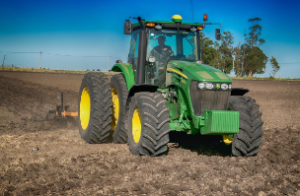
You may consider using a big tractor or a hand tractor, whichever is available.
If maize is cultivated in a lowland rice field, use a rotavator to bury rice straw and stalk into the soil.
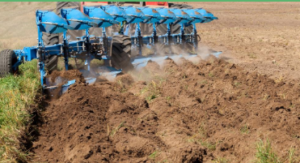
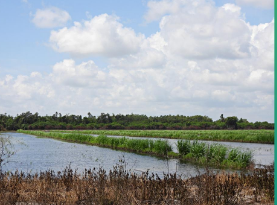 If possible, flood the soil for 7 days then drain it and let it dry for 5-7 days. Plow and harrow the field while it still has moisture.
DO YOU HAVE ACIDIC SOIL?

If yes, apply 200kg of lime powder per rai
In sloping land:
A contour line must be created.
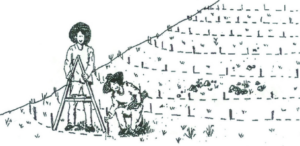
- Plow the soil between contour lines
- Use big tractors only if the land is less sloping, otherwise use a hand tractor
- Plant the maize between grass strips.
You may use the following fodders combined with fruit trees in parallel to the slope to reduce soil erosion and surface runoff:
- Guinea grass
- Paspalum atratum
- Tephrosia candida
Planting grass strips will increase water retention and infiltration into the soil.
- Apply organic and chemical fertilizers
- Organic fertilizer improves soil structure and soil biological activity
For chemical fertilizers:
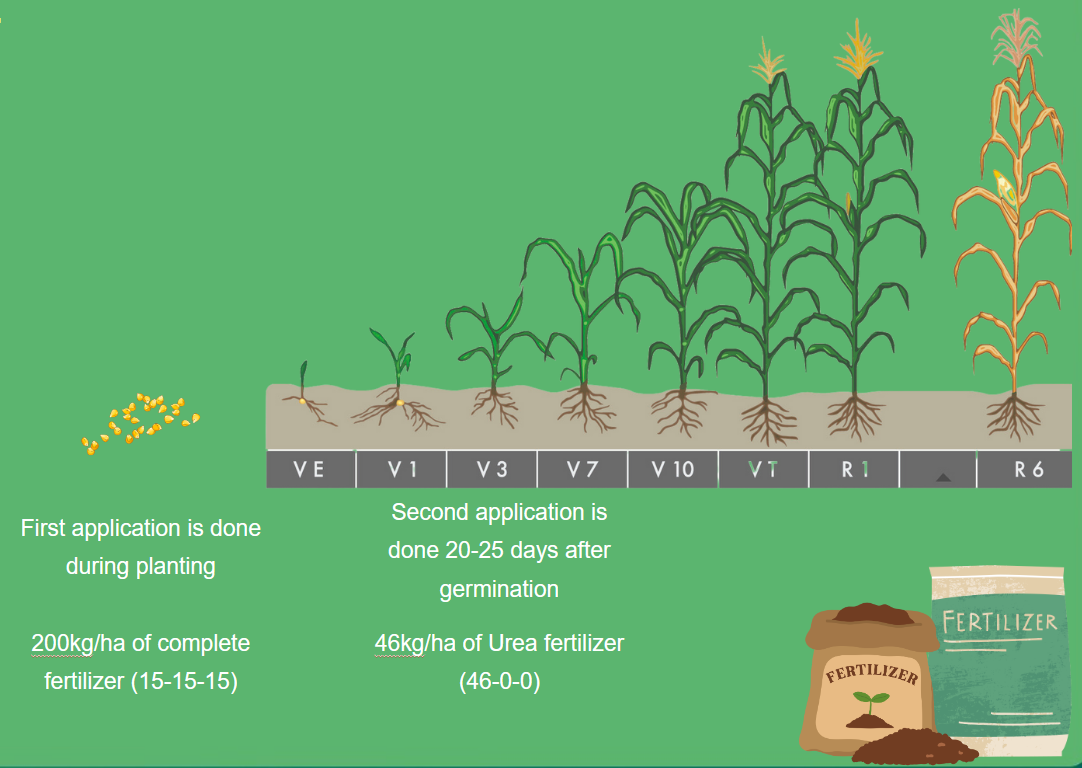
- Apply 60kg N, 30kg P, and 30kg K
- Apply the fertilizers by making a ditch beside the maize plant.
| Flat Land Planting | Sloping Land | |
| Planting Period | end of April to end of June, when soil is moist but not damp | |
| Planting distance | distance between rows is 75cm, and plant distance is 25-30cm | |
| Planting method | handmade seed dropping equipment or seed dropping machine | handmade seed dropping equipment |
| Flat Land Planting | Sloping Land | |
| Amount of seed needed | 18-21kg per hectare | |
| Intercropping | To protect soil surface runoff and increase farmer income, intercropping of redbean between maize’s row is recommended with plant distance of 20-50cm apart by droping 4-10 seeds per hole | |
Using quality seeds is very important to increase maize production:

Select high quality of hybrid or composite maize varieties to grow

Seed source must be known and use popular varieties among farmers

Good varieties have stable yield, good growth and performance, and preferred by farmers and consumers