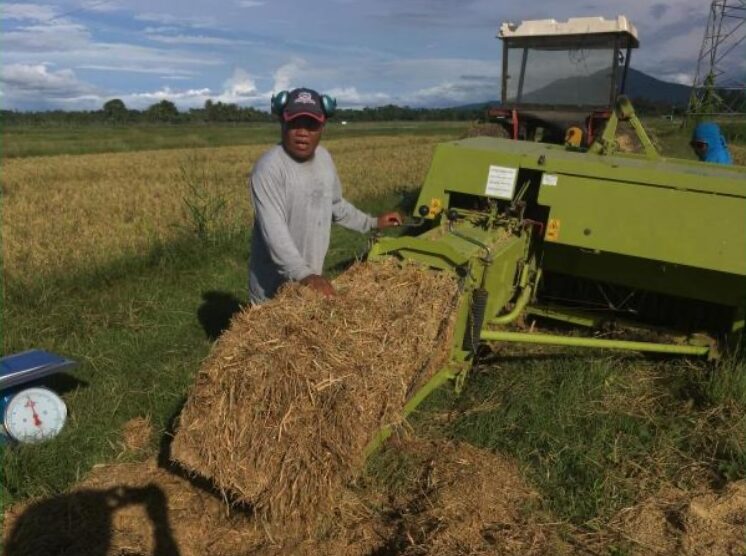
Integrated Nutrient Management
Aims of an efficient and cost-effective nutrient management
- Maximize nutrient uptake of crops through good crop management practices.
- Fully utilize nutrients regardless of source
- Use mineral fertilizers as required to overcome specific nutrient limitations
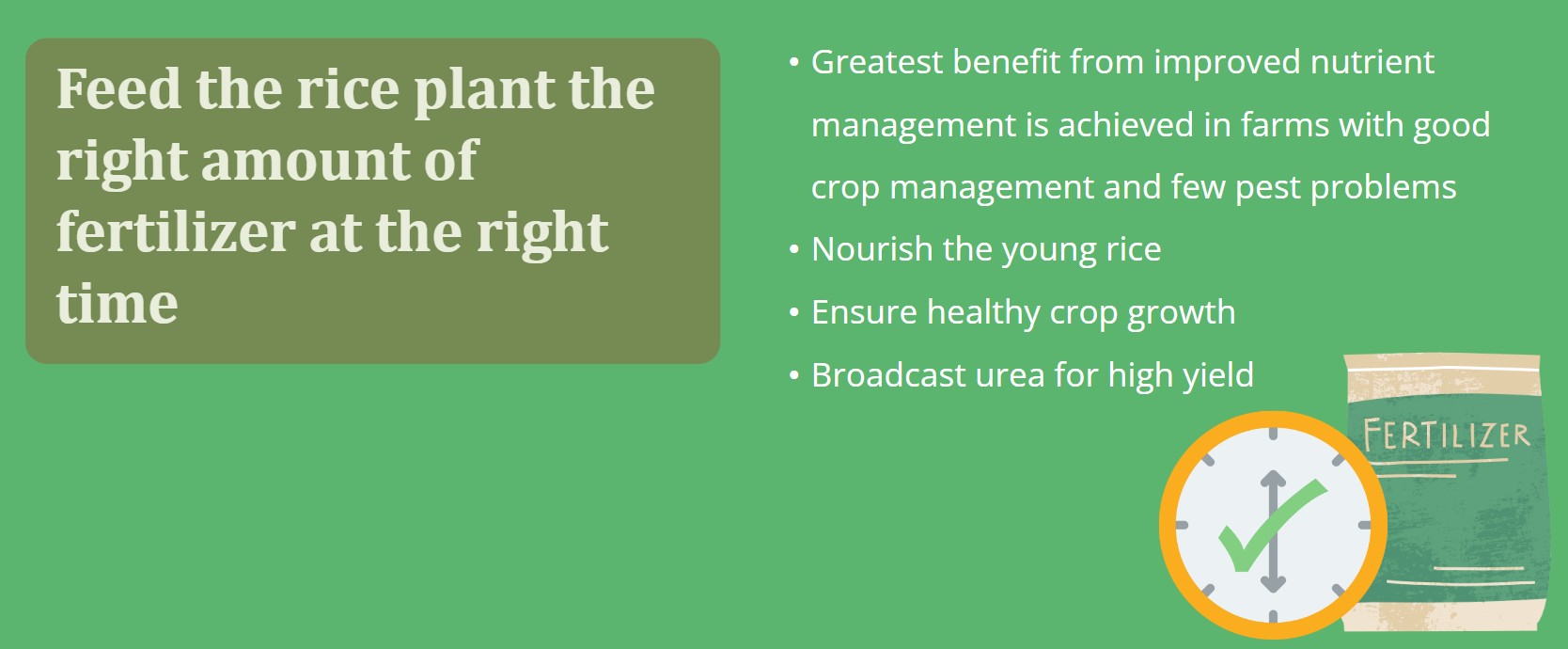
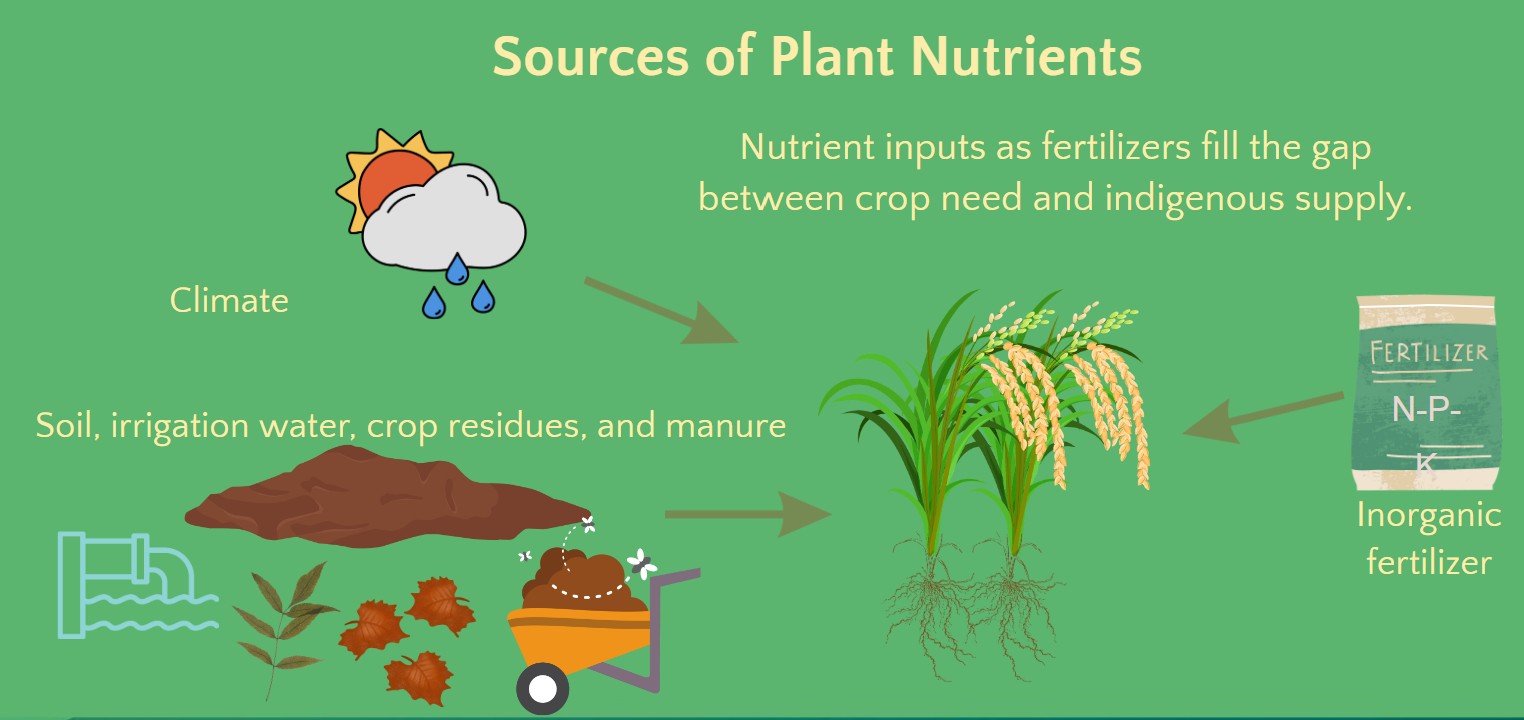
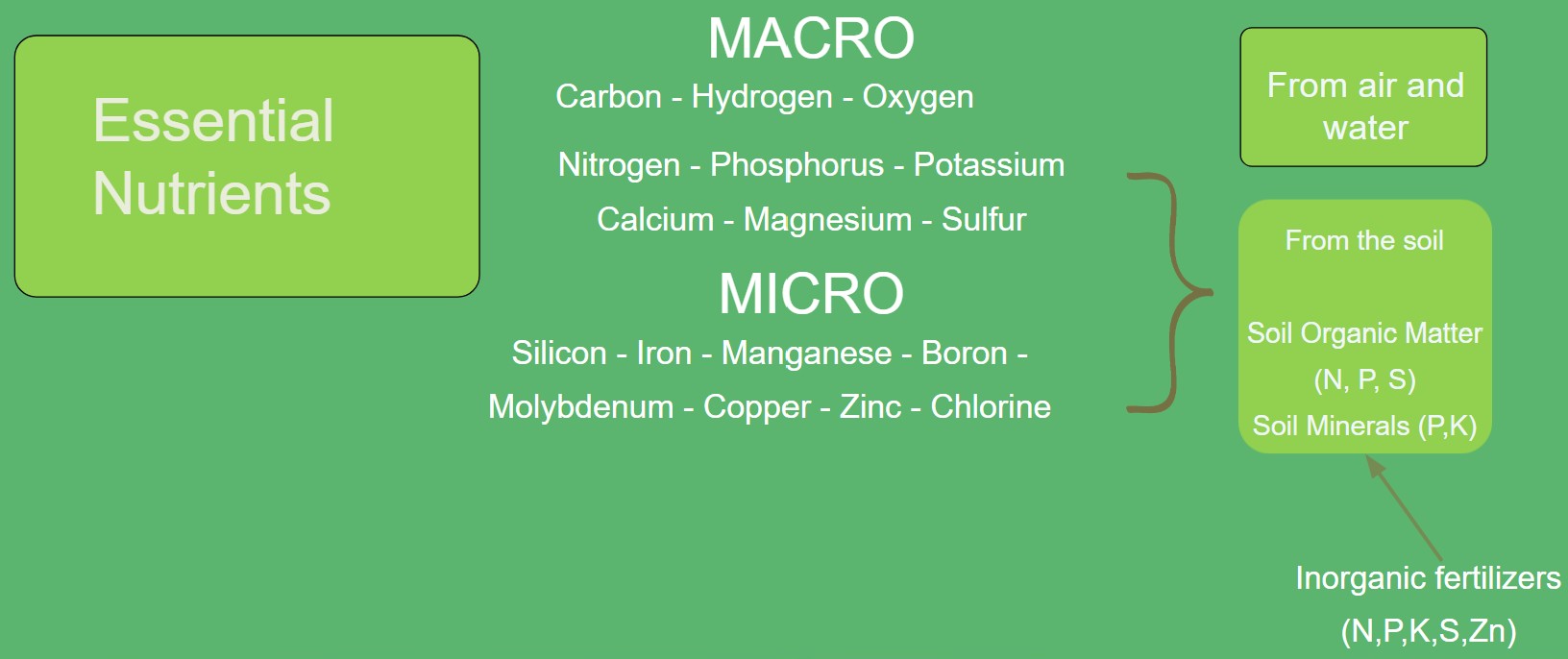
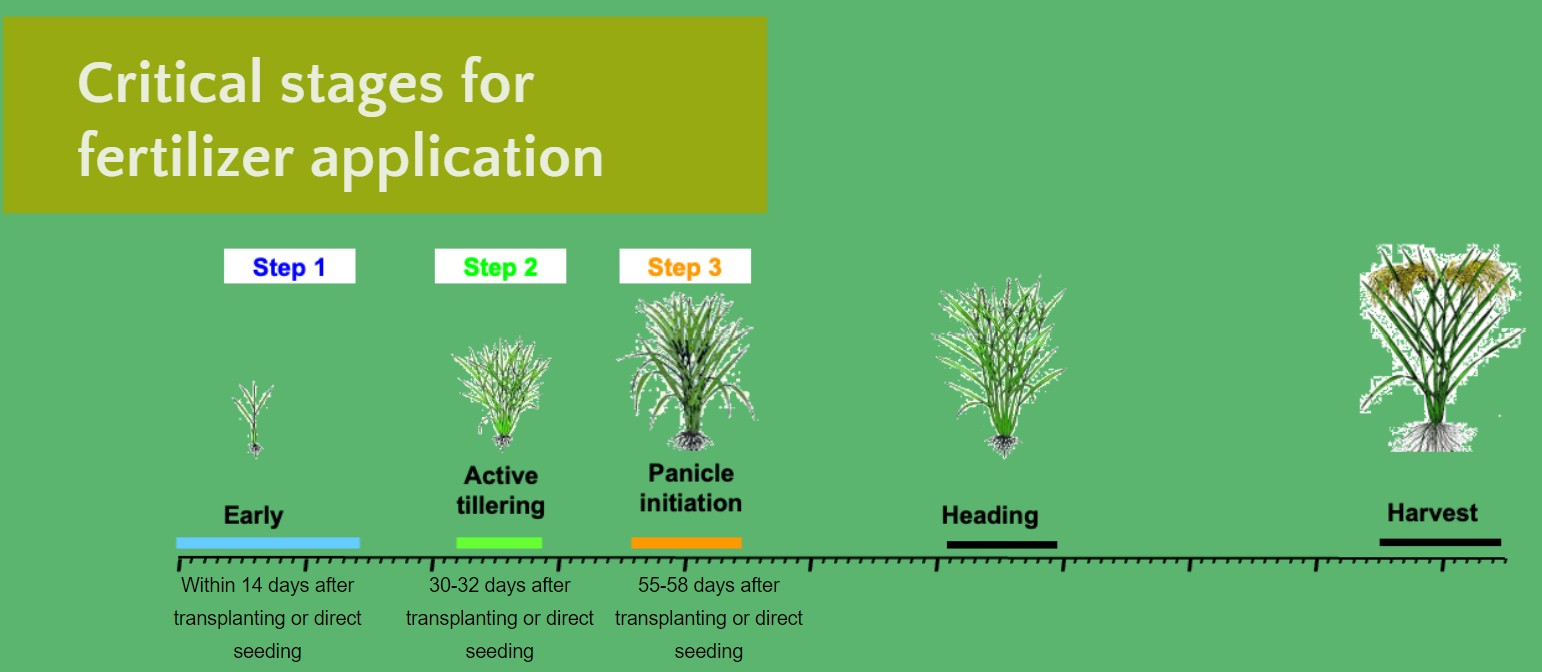
A COST-EFFECTIVE AND EFFICIENT NUTRIENT MANAGEMENT
Minimize risk of crop failure by:
- Selecting realistic and economic yield targets
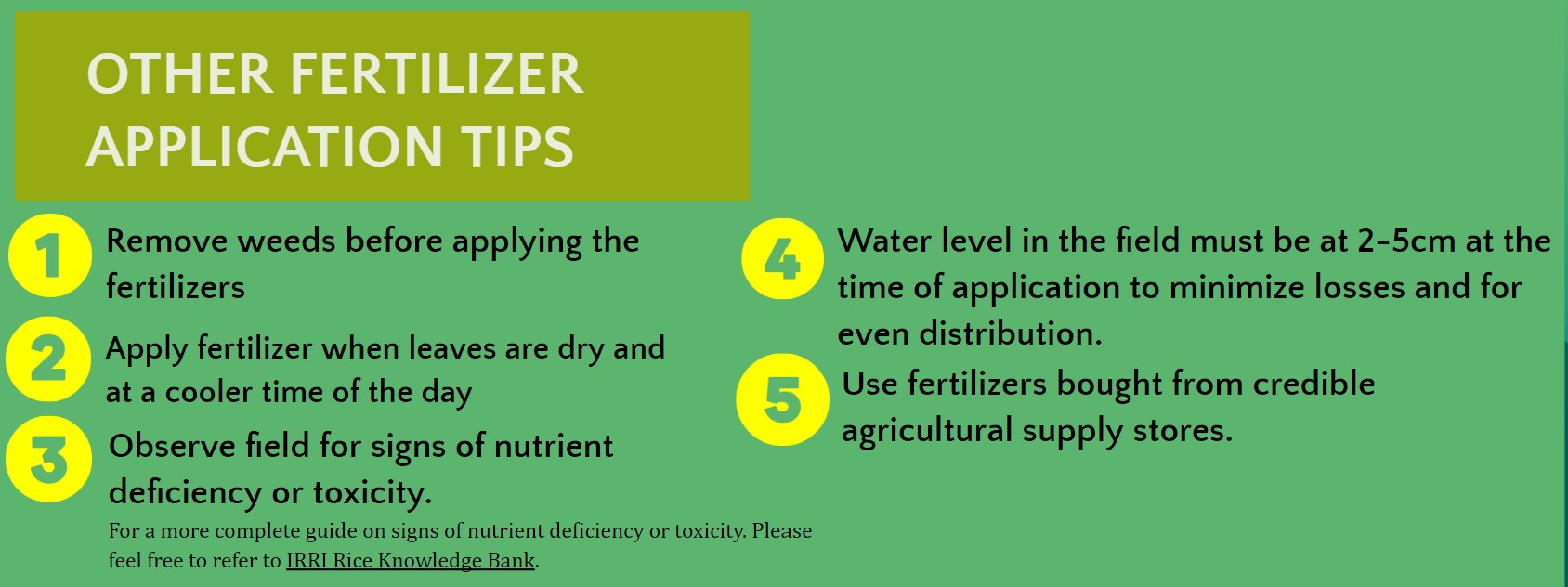
- Practicing efficient use of fertilizer
- Balanced nutrition by adding organic fertilizers
Maximize revenue by:
- considering cost of inputs
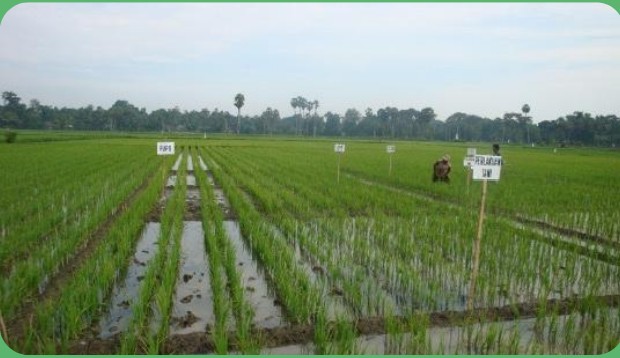
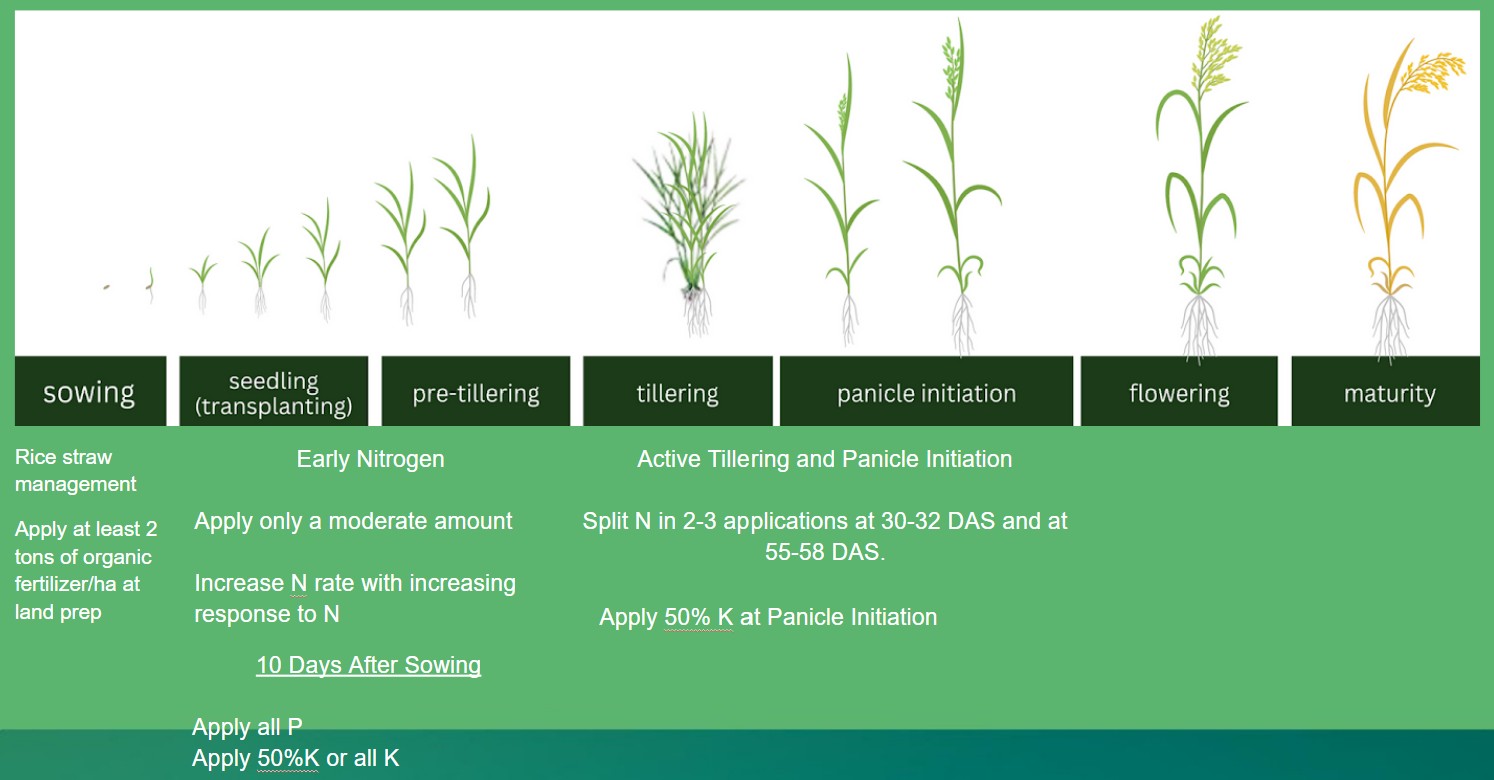
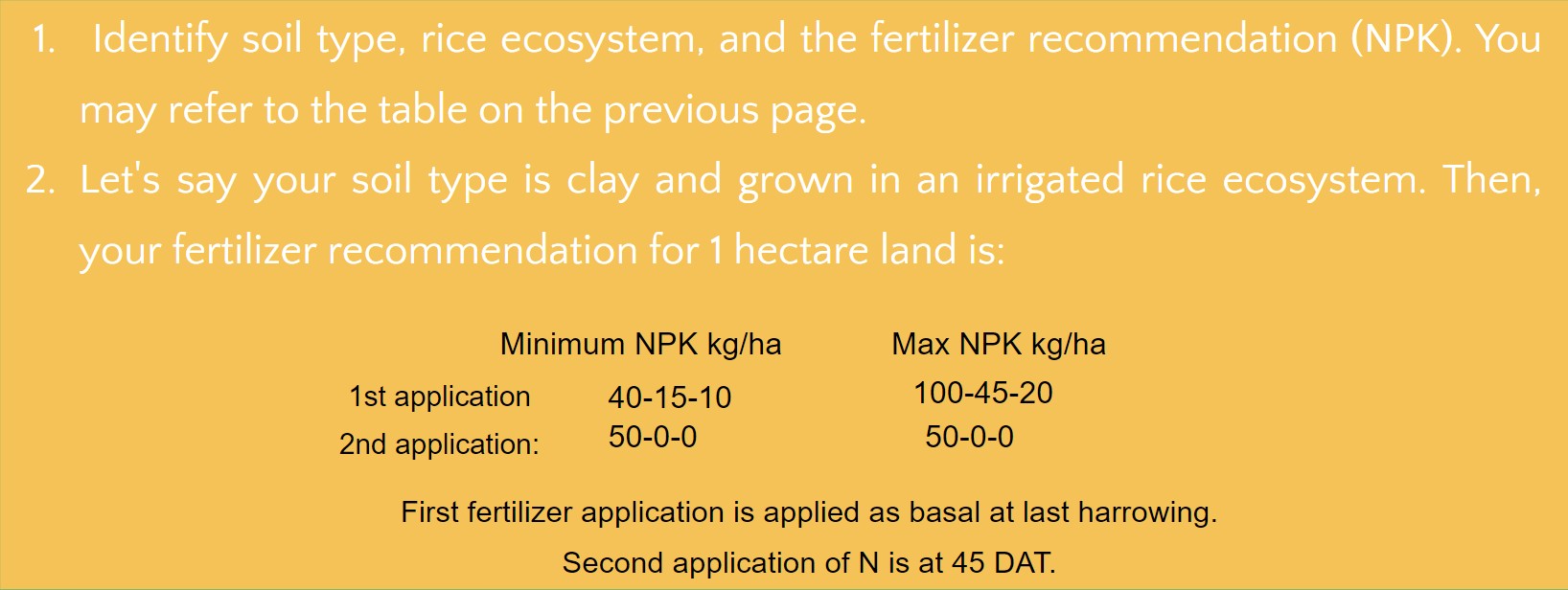
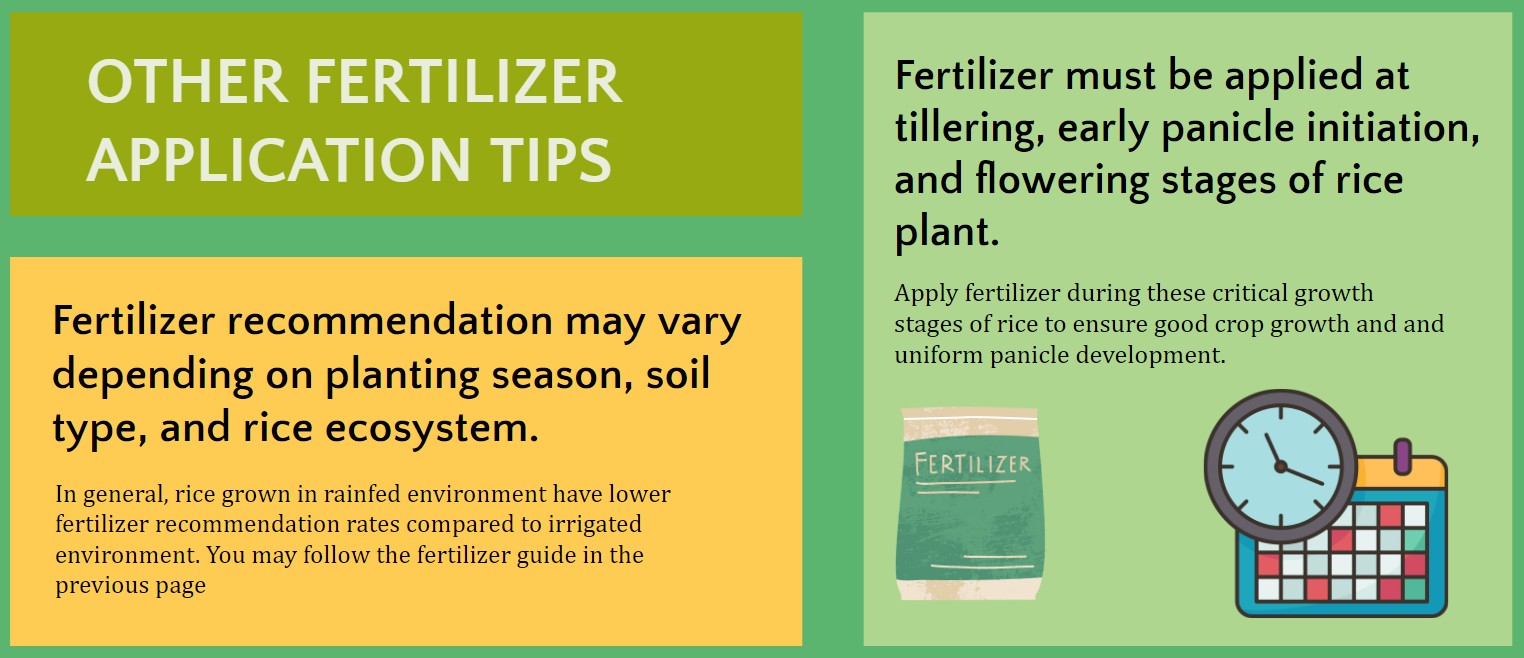
FERTILIZER RECOMMENDATIONS
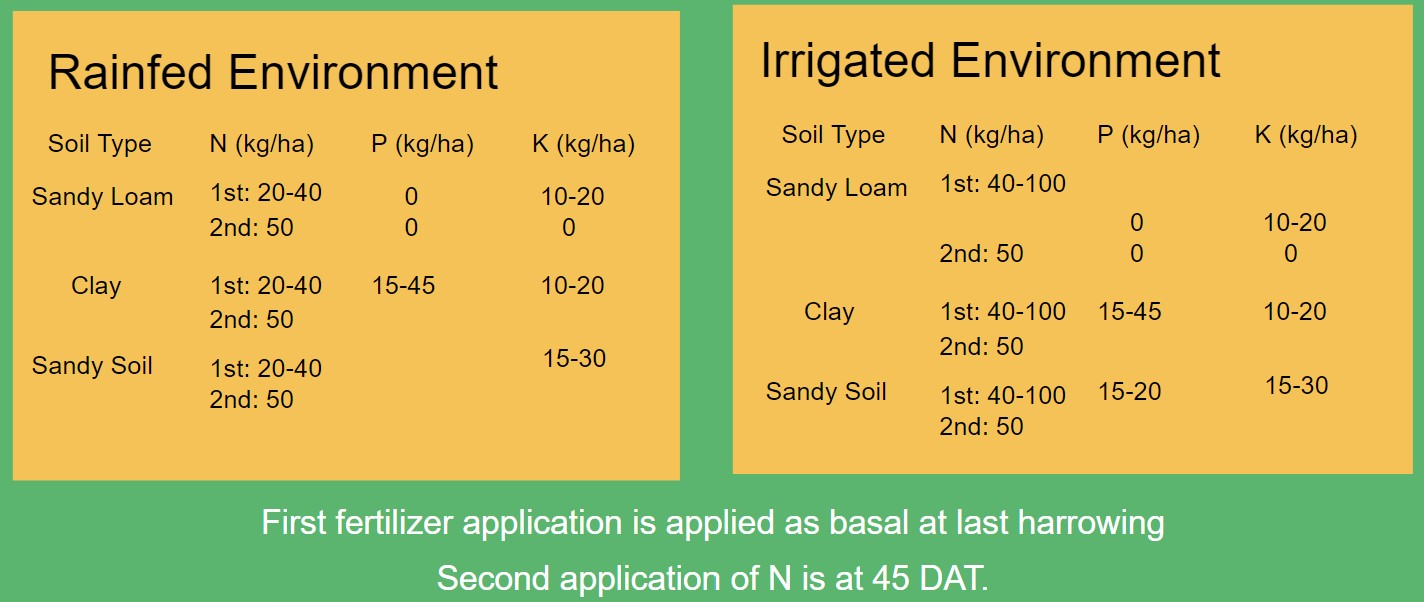
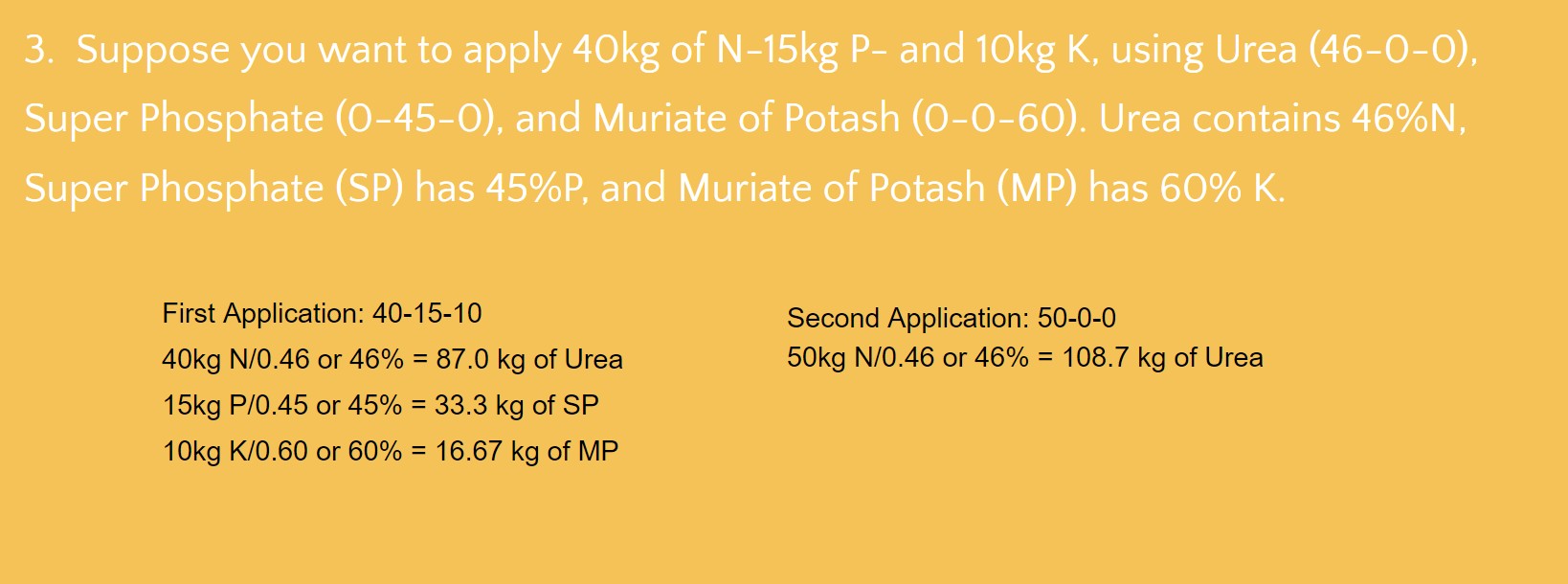
SAMPLE FERTILIZER COMPUTATION
RICE STRAW MANAGEMENT
- Straw is the only organic material available in significant quantities to most rice farmers.
- Incorporating rice straw and stubble returns most of the nutrients taken up by rice plants and helps to conserve soil nutrient reserves in the long term
- Early, dry shallow tillage at 5 to 10 cm depths (to incorporate crop residues and enhance soil aeration during fallow periods) has beneficial effects on soil fertility in intensive rice-rice systems.
- Shallow tillage of dry soil should be carried out up to 2-3 weeks after harvest in cropping systems where the dry-moist fallow period between two crops is at least 30 days.