Rice eco-systems
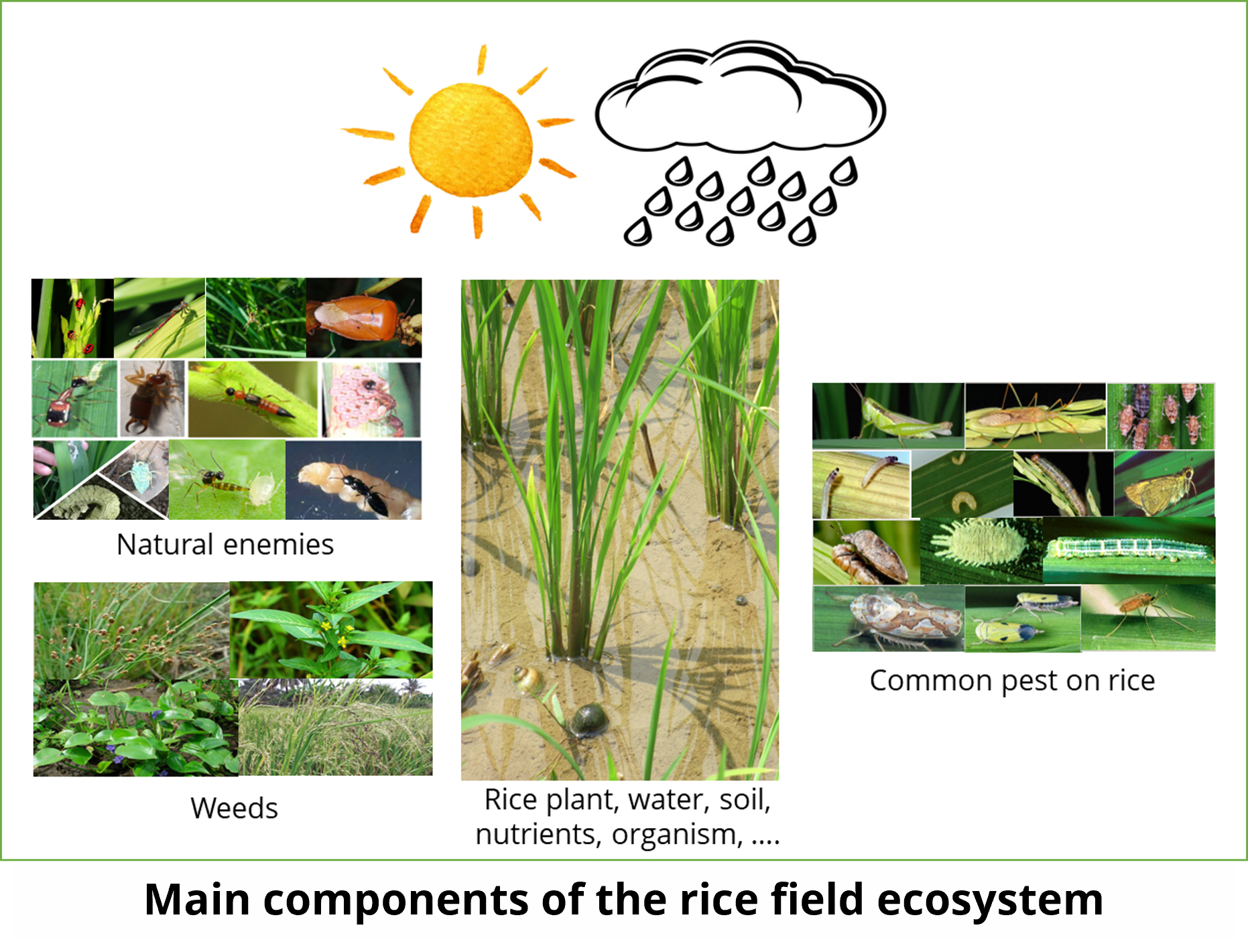
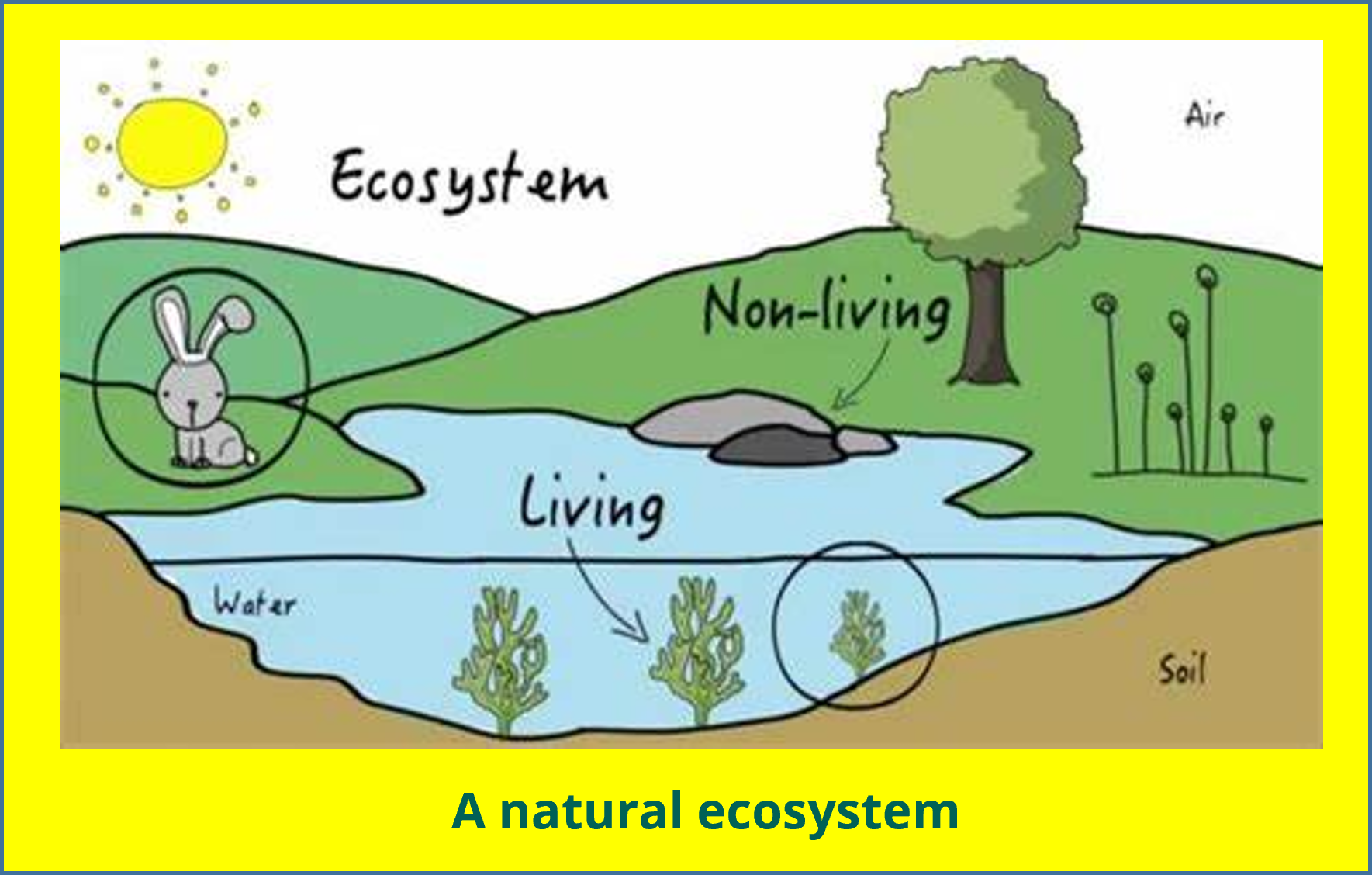
An ecosystem is a biological community of the living things (plants, animals and organisms) interacting with each other and their non-living environments (weather, earth, sun, soil, climate, atmosphere, moisture, temperature, water…). The living things are known as biotic factors and the non-living things as the abiotic factors.
Rice ecosystems are areas where rice plants are growing. Normally, depending on the hydrology glossary of where rice is grown, the rice environment can be classified into four types:
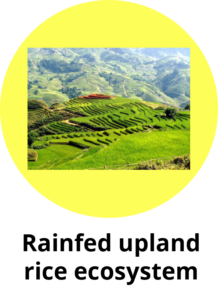

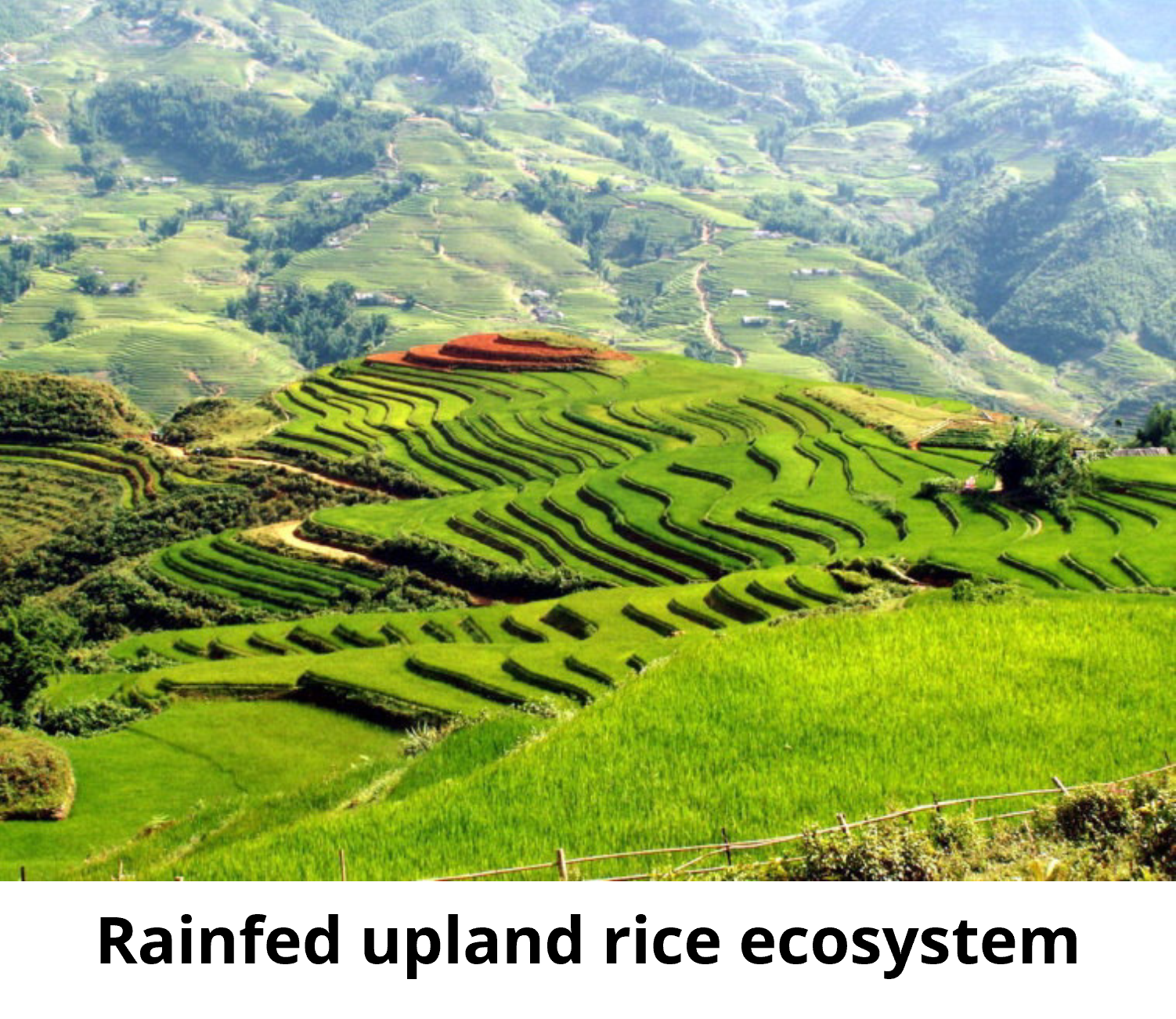
The rainfed upland rice ecosystem is cultivated in mountainous areas (under dry condition without irrigation), seeds are broadcast or dibbled into dry soil prior to the rainy season. Soil remains aerobic during all growing seasons. Usually for one crop with relatively low yield per year, many factors limit yield including drought and weeds.
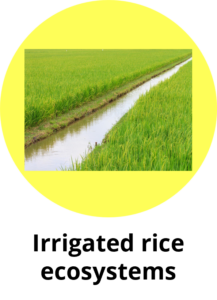
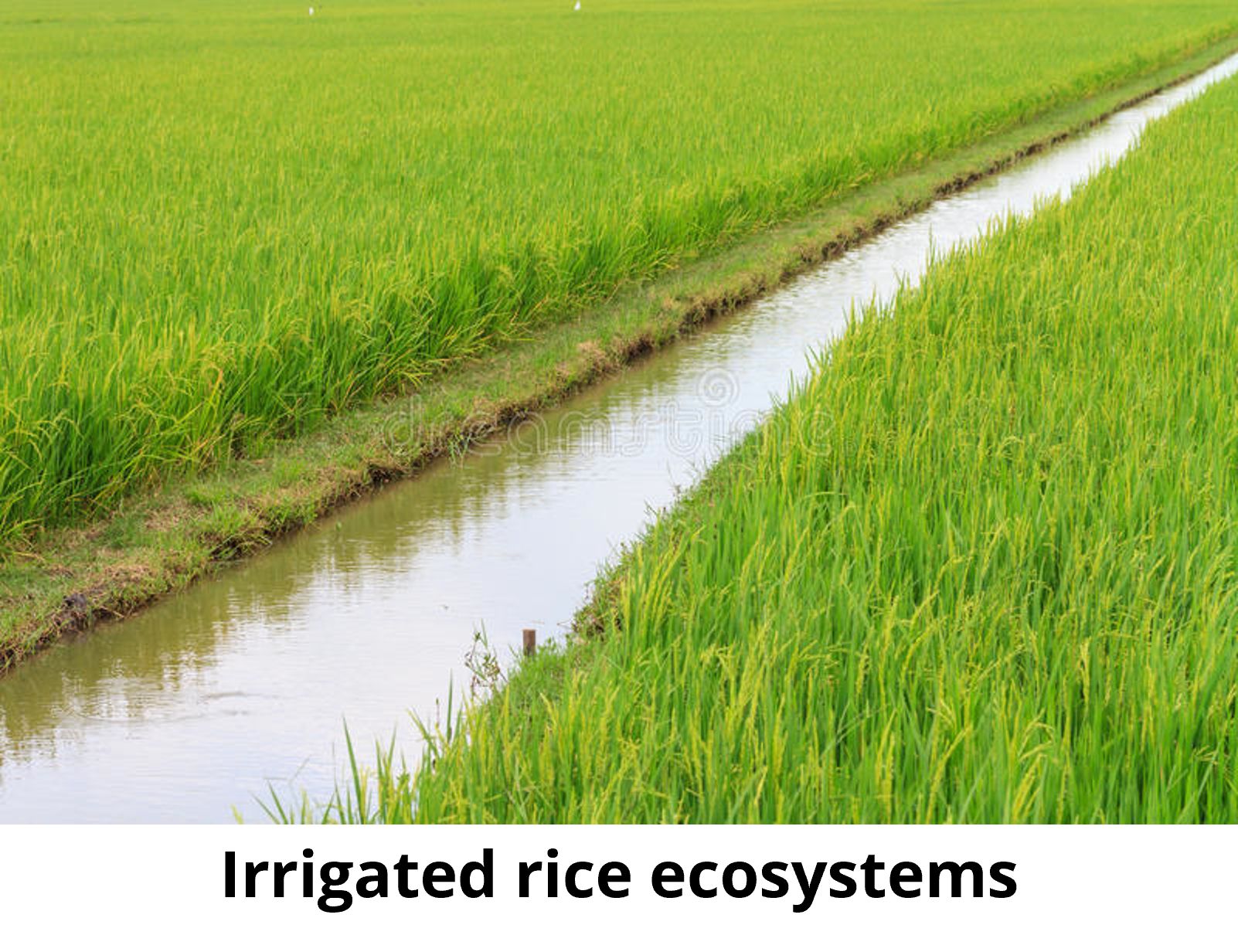
The irrigated rice ecosystems are the primary type found in East Asia. Irrigated lowland rice is grown in bunded fields with assured water supply for one or more crops per year. Availability and control of water help reduce the risk of crop failure. As a result, farmers are willing to invest fertilizers typically resulting in higher yields.
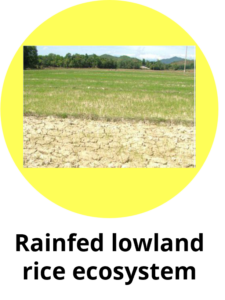
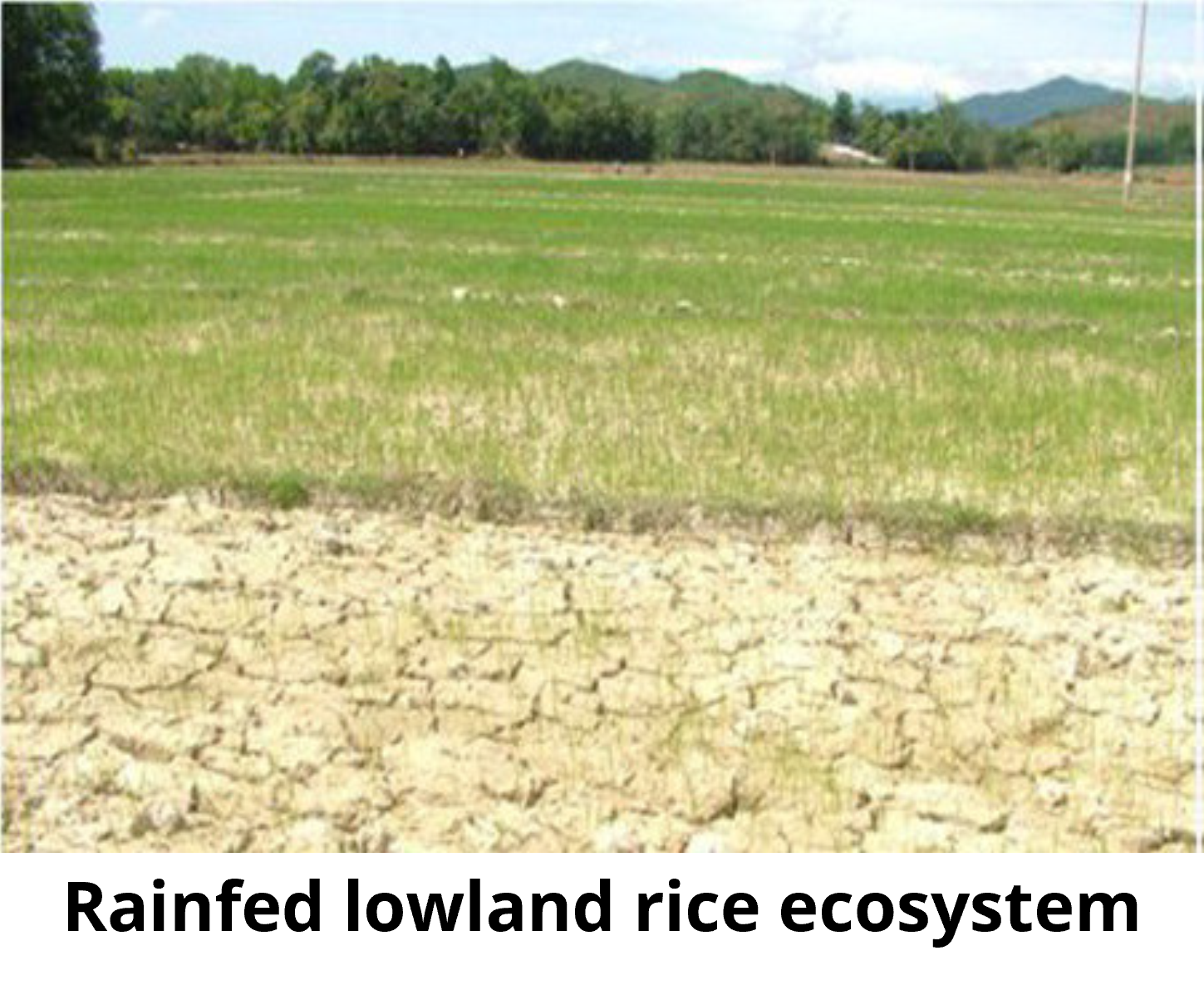
The rainfed lowland rice ecosystem may be found in similar areas as Irrigated lowland rice ecosystem. However, these areas do not have water supply and water control for irrigation. They are more prone to drought and flooding. Salinity can be a problem in coastal areas where sea water submerges the rice production area, but irrigation water is unavailable for salt removal. Rice production in these ecosystems – often hampered by drought, submergence, and problem soils – is associated with low productivity, and with a high incidence of poverty.
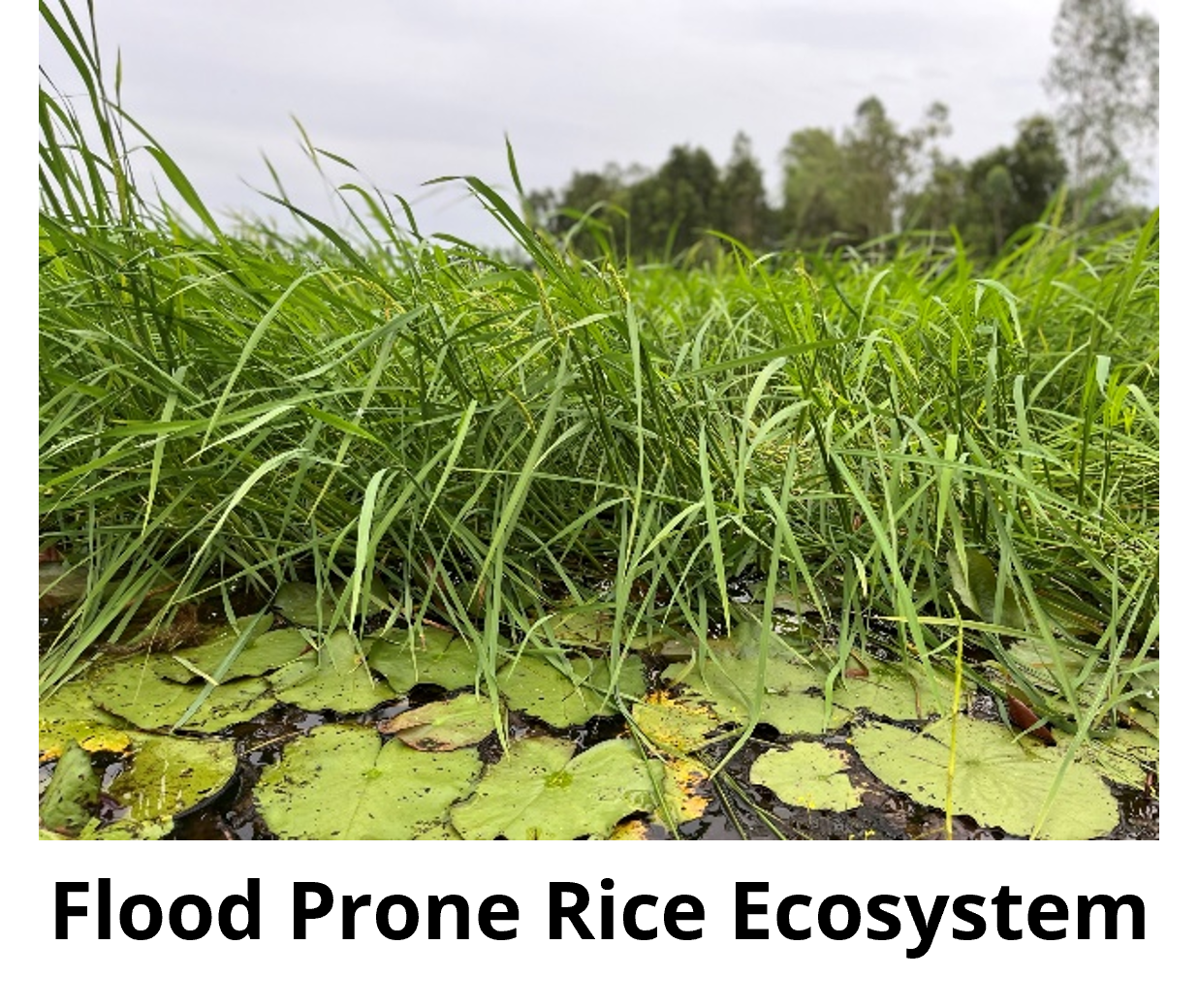
The Flood Prone Rice Ecosystems are in areas that subjected to uncontrolled floods, that occurs during the wet season from June to November. The water level may rise up to 4 m height during flooding stage. Rice varieties are chosen for their level of tolerance to submersion, called floating rice or deepwater rice with 2-3 m in long and characterized by having advanced elongation ability when raising of water. But yields are low and variable from 1 to 3 tons/ha, normally.
There are two types of natural enemies in the rice fields:
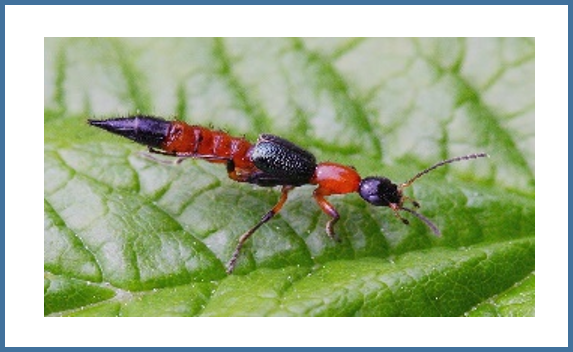
Predators
- Captures, kill and eats the prey
- eat many prey in a lifetime, feeding both as young and as adults
- Usually larger than their prey
- Do not have specific prey mostly
- Some bugs, beetles, flies, lacewings and spiders
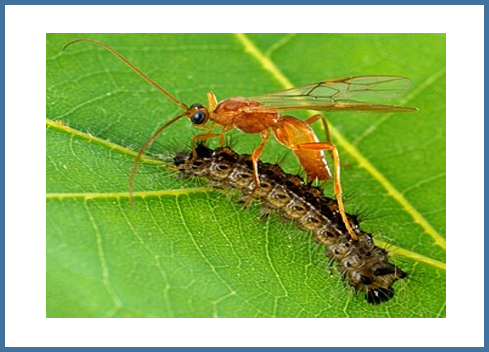
Parasitoids
- Lay their eggs to other insects (the hosts).
- Each egg hatches within the host, and the young feed and develop within that single host, eventually killing it.
- Parasitoids are most commonly small wasps.
ABIOTIC FACTORS:
- Are necessary elements for development of rice crop and change from time to time (year, month, season …) and space (different ecological zones ….) and impact on biotic factors such as growth of rice plants, outbreak of pests and diseases, ….
- Different living organisms need different abiotic factors to survive. Different living organisms have different levels of tolerance for different abiotic factors.
- Even decide which organisms will survive in an ecosystem and how many of them will be able to continue to live there.
Types of interaction among biotic factors:
- Competitive relationship: is the competition between two or more species for food, living space…as a result, this species will destroy other species. In rice field ecosystem, rice plants compete with weeds for nutrition, soil, water, light …So if weeds are growing well, then vigor of rice plants reduced.
- Symbiotic relationship: in the rice field ecosystem, there are symbiotic cyanobacteria living with water hyacinth (Azollaceae) to fix nitrogen needed for rice crop.
- Host plant relationships: the interactions between species living on host organisms can harm and kill the host (fungi, bacteria harmful to rice).
- Predator/parasitoid-insect pest relationships: There are two main contributing factors in the rice ecosystem, which are biotic factors as rice plants, insects, microorganisms, and other animals… and non-living/abiotic factors including soil, water, light, temperature, humidity, rain, organic matter and inorganic substances…. and they interact together to form natural ecosystem.
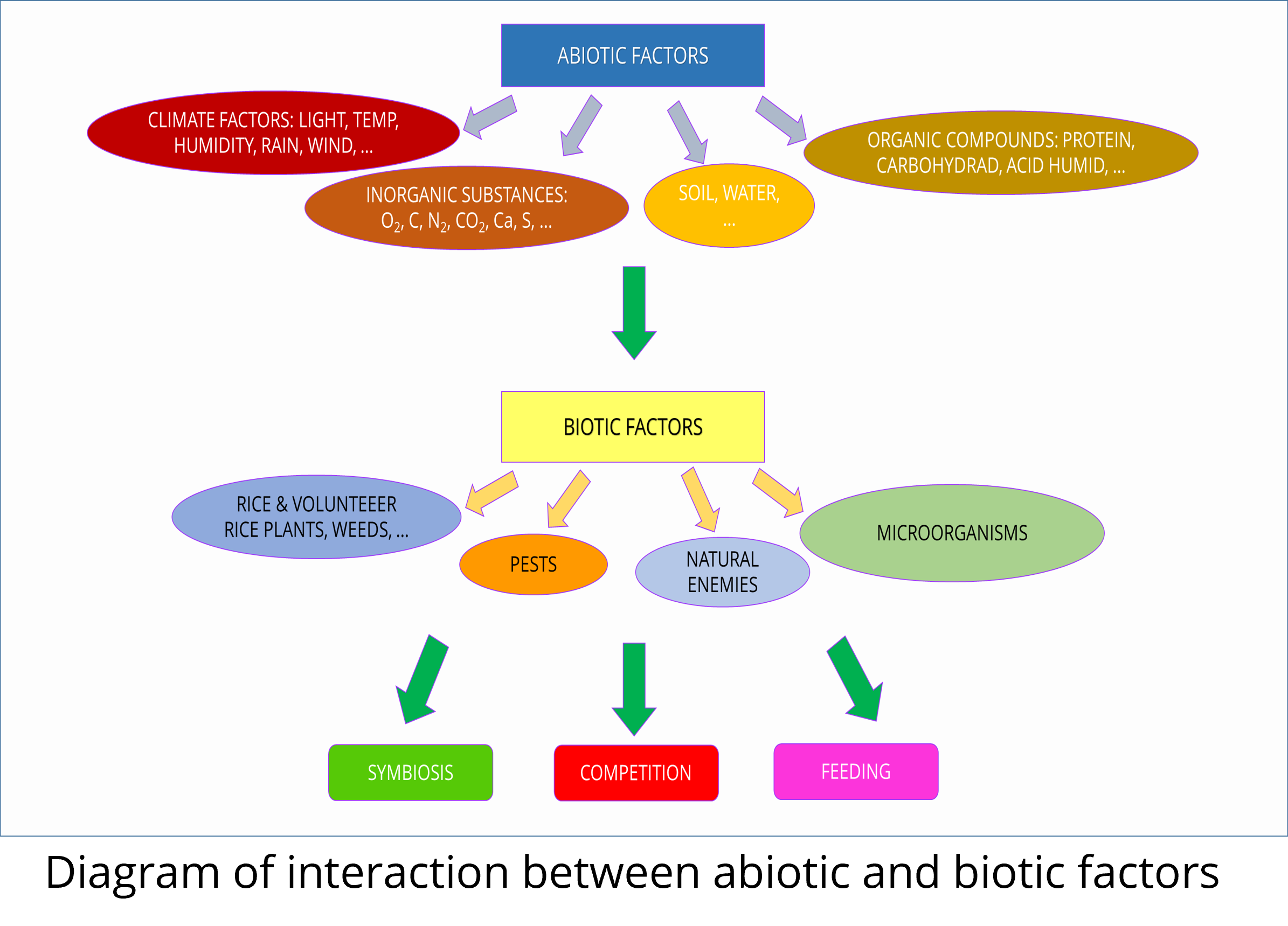
- In the rice field ecosystem, there are a lot of insect pests that occur in all the stages of rice crop including weeds, insect pests, diseases, rats and snails. Naturally, the relationship between rice plants- pests –natural enemies balances in the rice ecosystem because natural enemies may control the population of the insect pests below the damage level by preying or parasite on their hosts (ex: Lycosa spiders, wolf spider, Rove beetles, ground beetle….or parasitoids) that prevent a pest outbreak.
- In generally, the contribution of natural enemies in Integrated Pest Management is very significant in making biodiversity of the rice field ecosystem. This relationship between predators, parasitoids and insect pests is very important. In nature, predators/parasitoids always tend to limit insect pests to make ecological balance. Therefore, they must be protected by applying ecological engineering and reducing the number of times of insecticide application, using selective and preferably biological insecticides.
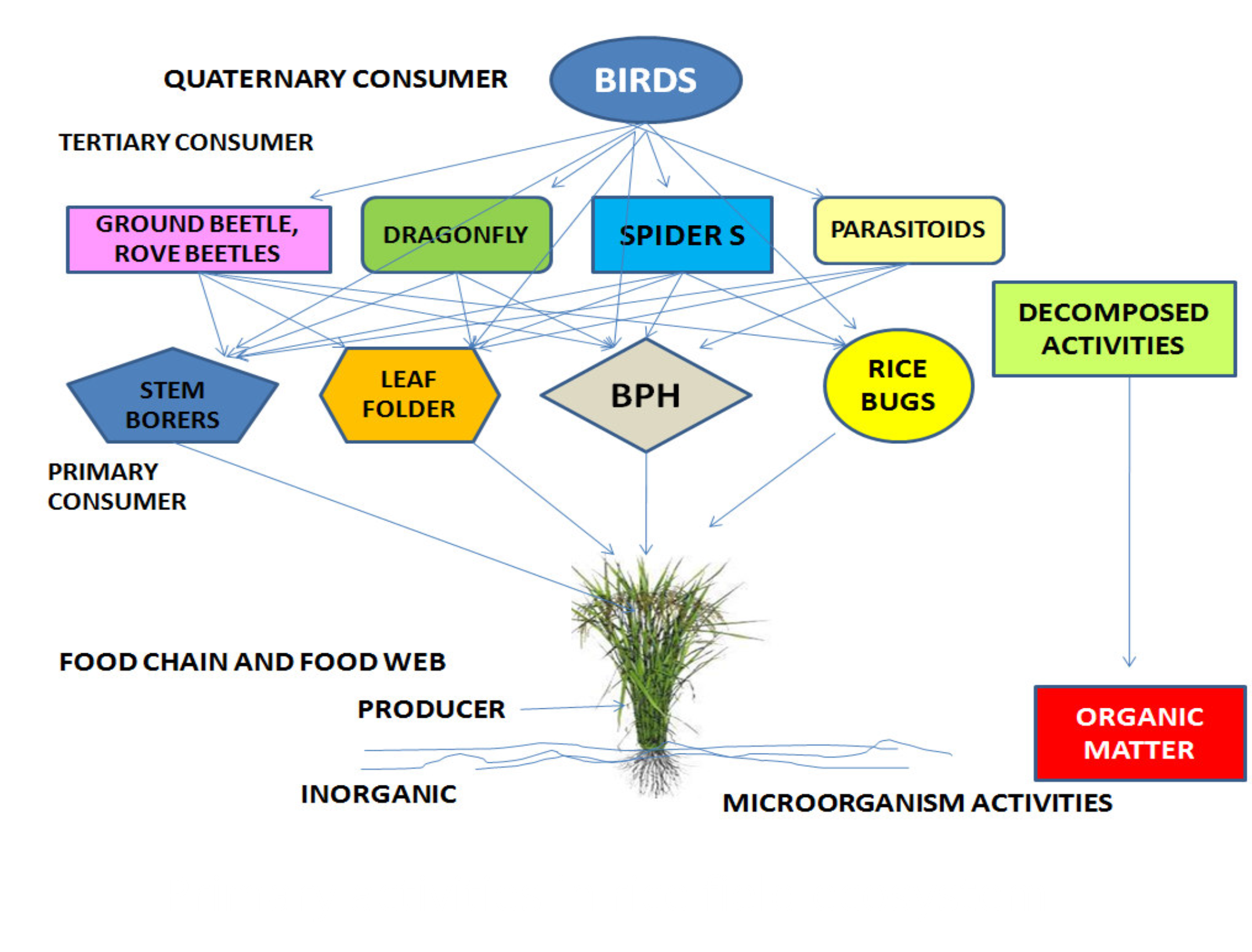
- Abiotic factors (non-biological factors or physical factors): soil, water, humidity, temperature, light, rain, wind.
- Biotic factors:
- Host plant: rice
- Rice pests: brown planthoppers, stemborers, case worm, leaf folder, rice bugs, weeds, other animals as rats, snails, panicle rice mite, fungi, bacteria, virus, ….
- Natural enemies: fishes, ducks, frogs, lady beetles, rove beetles, mirid bugs, water bugs, ground beetles, the parasitoids that parasite on egg, larva of leaf folder/stemborers…some of natural enemies like fungi, bacteria, viruses that parasite on insect pests causing epidemic…
- Soil microbiota: comprises microbial populations in the soil, including microbial autotrophic and heterotrophic microorganisms.